Parts Washers & Cleaning Equipment
Parts washing and cleaning remove oils, soils, machining residues, and contaminants that interfere with coating adhesion, bonding, or assembly quality.
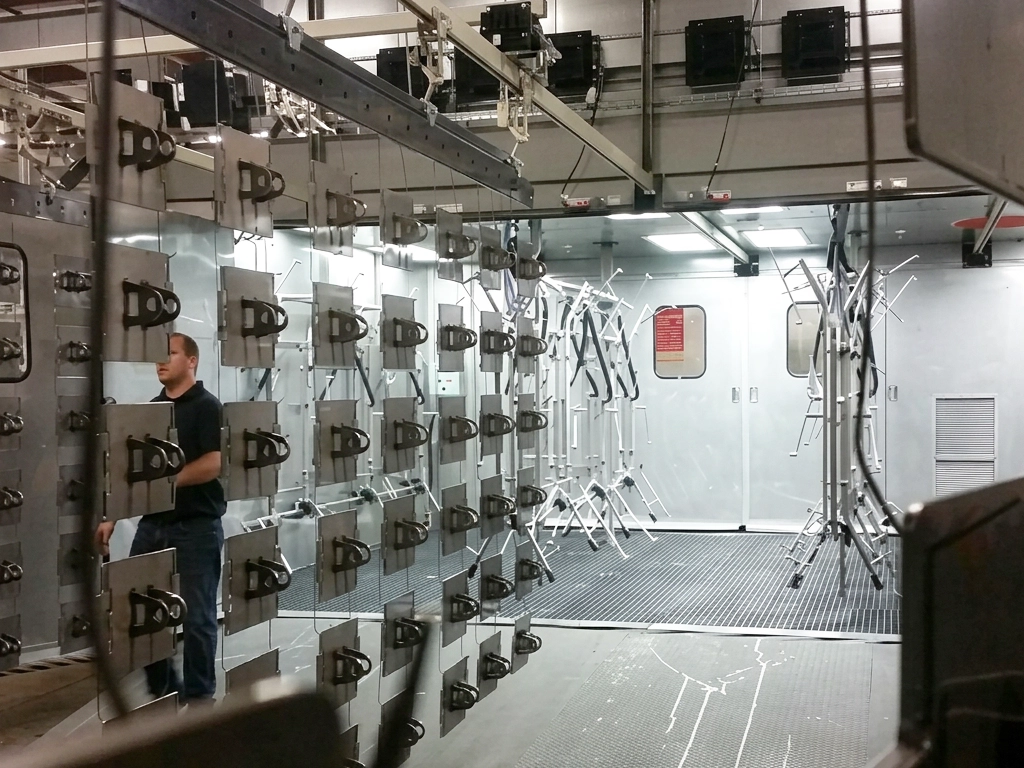
Explore Parts Washing Systems
Effective parts cleaning is often the first and most critical step in industrial surface preparation and treatment. ICAFe Companies helps manufacturers evaluate parts washing technologies based on cleanliness requirements, part geometry, production throughput, and process integration.
Single Stage Parts Washers
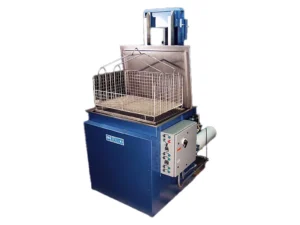
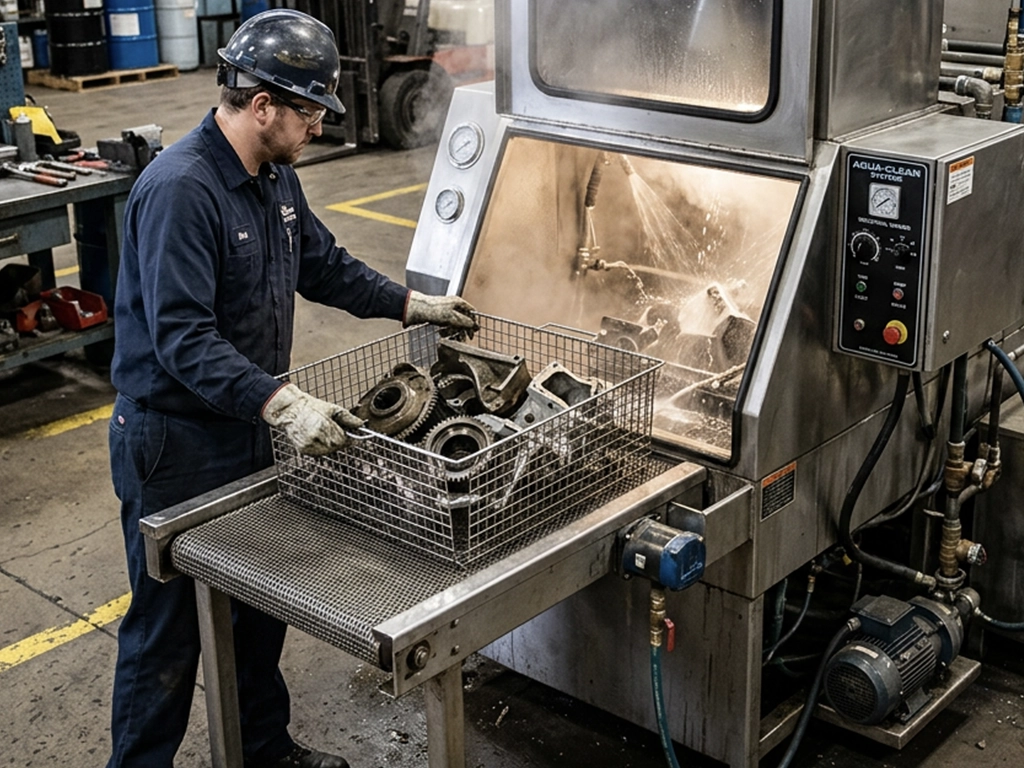
Single‑stage parts washers provide basic cleaning to remove oils, light soils, and machining residues before assembly or secondary operations.
They include batch parts washers and immersion washers, where parts are cleaned in defined loads rather than moving continuously through a line.
Multistage Parts Washing Systems
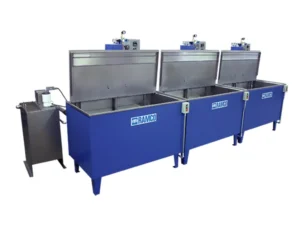 Multi‑stage systems use sequential wash, rinse, and treatment stages to meet high cleanliness requirements and prepare parts for coating or finishing.
They can include pass‑through washers, in‑line batch washers, and in‑line continuous washers for controlled cleaning as parts flow through many process stages.
Wash Booths & Large-Part Washers
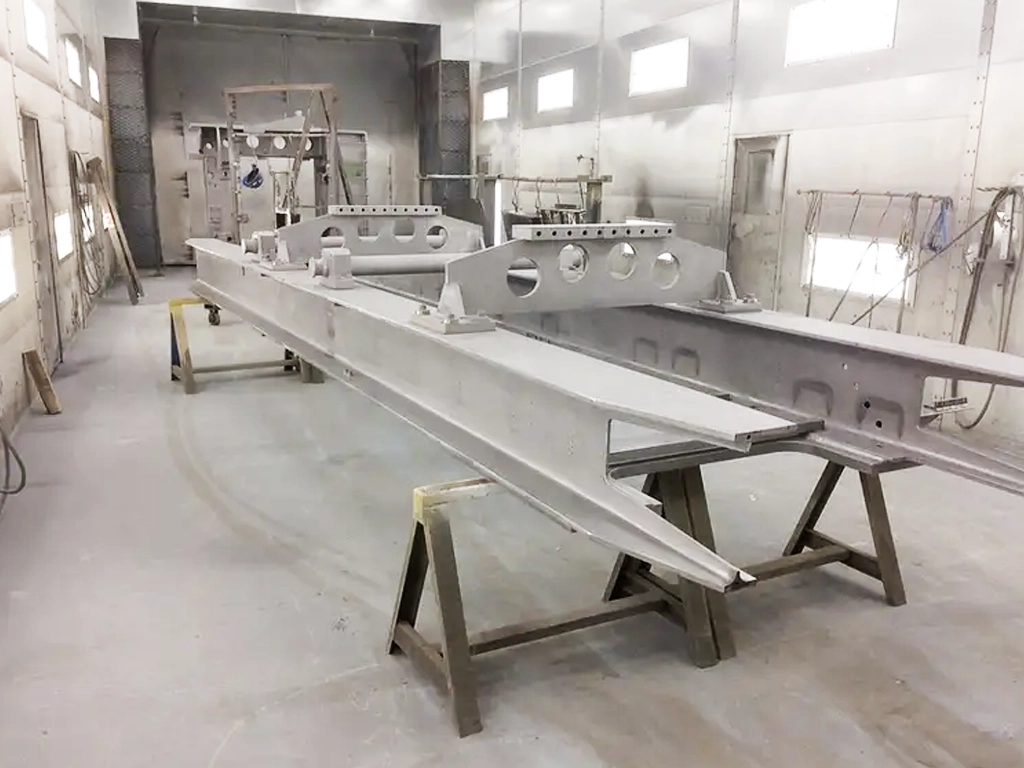
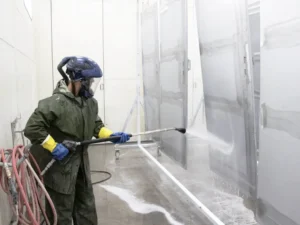 Wash booths and large-part washers clean oversized, fabricated, or irregularly shaped components that are difficult to process in conventional washer configurations.
These systems are commonly used when component size, weight, or geometry limits the use of batch, immersion, or in-line equipment.
Ultrasonic Cleaning Systems
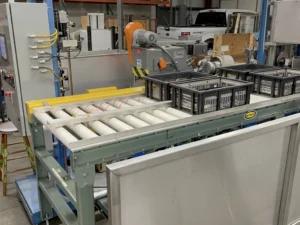 Ultrasonic cleaning systems use high-frequency sound waves in liquid baths to remove deeply embedded contaminants from complex geometries or precision components.
They are typically used where spray or immersion cleaning cannot consistently meet required cleanliness specifications.
Industrial Parts Washing Equipment Selection Guide
When Surface Cleanliness Matters
Manufacturers use parts washing systems wherever surface cleanliness affects quality, process stability, or product performance.
- Before painting or powder coating, parts washing removes oils, lubricants, and residues that can interfere with coating adhesion and finish durability.
- Before chemical pretreatment, cleaning creates consistent surface conditions that support pretreatment effectiveness, corrosion resistance, and coating performance.
- Before assembly, parts washing removes contaminants that can affect fit, function, and product reliability.
- Precision manufacturing applications often require enhanced cleaning methods to remove contaminants from complex geometries, internal passages, and hard-to-reach surfaces.
- Oversized or irregularly shaped parts may require wash booths or large-part cleaning systems when standard washer configurations cannot accommodate their size or geometry.
How to Evaluate Parts Washing Systems
Selecting the right parts washing system depends on process requirements, not simply washer size or capacity. ICAFe works with manufacturers to evaluate:
- Part geometry and material
- Contaminant type and volume
- Required cleanliness standards
- Production rate and workflow
- Pretreatment, coating, and assembly requirements
- Water use, chemical management, and wastewater considerations
Request a Quote
ICAFe Companies works with manufacturing engineers, quality managers, and operations leaders to assess cleaning requirements so downstream processes perform as intended.
Contact us to discuss parts washing options and develop the right approach for your operation.
"*" indicates required fields
Equipment Partners for Parts Washing & Cleaning
ICAFe surface preparation solutions include platforms from these established equipment partners.
globalfinishing.com
jenfab.com
ramkleen.com
riveer.com