Deburring & Finishing
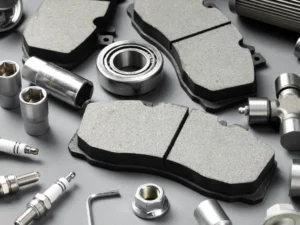
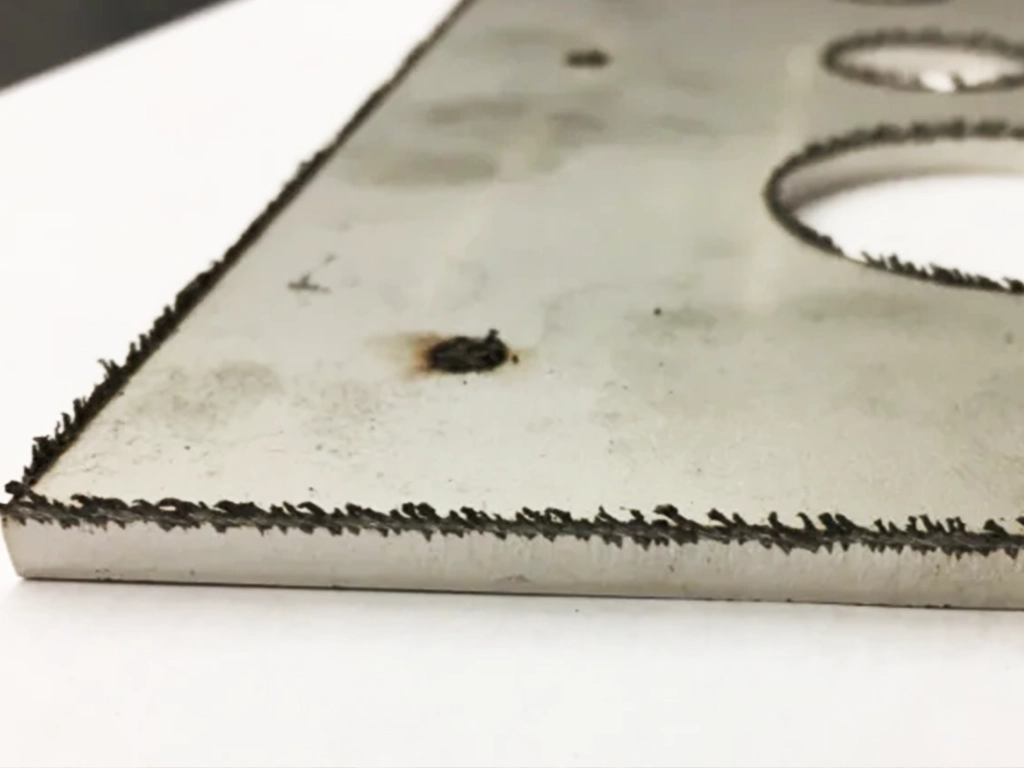
Deburring and finishing remove burrs, condition edges, and refine surfaces before pretreatment, coating, assembly, or final inspection. These processes help improve part quality, handling, assembly performance, and finishing consistency.
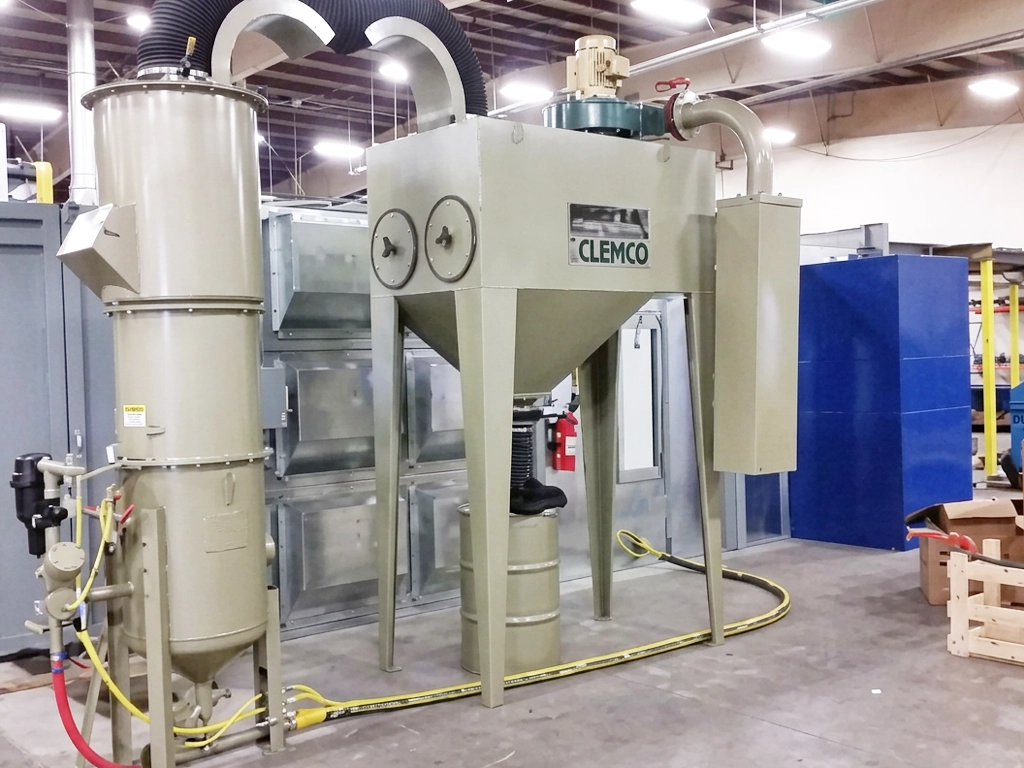
Explore Manufacturing Deburring Processes
Deburring typically occurs after machining, stamping, or forming and before downstream operations. The type of equipment used depends on part geometry, material, burr formation, and production flow.
Vibratory & Tumbling Deburring Systems
 Vibratory and tumbling systems use controlled mechanical motion and media to smooth edges and remove burrs from batches of small to medium parts. The processes improve edge quality while maintaining dimensional integrity.
Dry Ice Deburring & Deflashing Systems
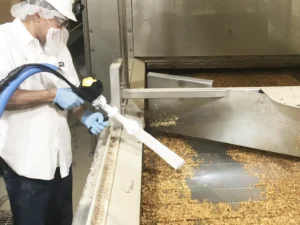
Dry ice deburring systems remove flash, loose burrs, or surface residue without abrasive contact. These systems are used to preserve dimensional integrity or avoid secondary waste.
Manual & Contained Finishing Systems
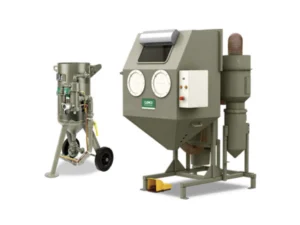
 Manual and semi‑contained finishing systems support selective deburring and edge touch‑up of parts not suited for batch or automated processing. They focus control where part geometry or production volume limits automation.
Industrial Deburring Equipment Selection Guide
When to Use Edge Finishing Equipment
Manufacturers use deburring and finishing systems when edge condition or surface refinement affects product quality, safety, or downstream process performance.
- Before assembly, deburring removes sharp edges and residual material that can interfere with fit, sealing surfaces, moving components, or electrical contact.
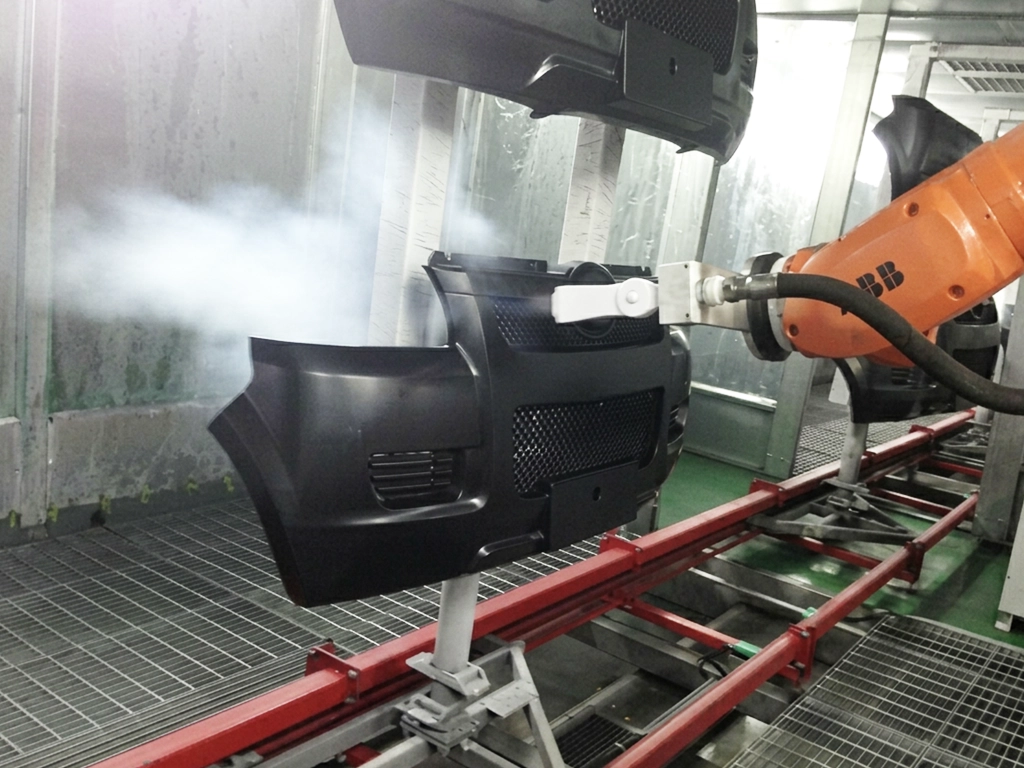
- Before coating or finishing, edge conditioning can improve coating uniformity and reduce thin coverage or premature coating failure.
- Precision manufacturing applications use deburring to meet dimensional, cosmetic, or handling requirements.
- After machining, stamping, or forming, deburring removes burrs and sharp features before downstream processing.
How to Evaluate Deburring & Finishing Systems
Effective deburring depends on matching the process to the part geometry, edge condition, and application requirements. ICAFe Companies works with manufacturers to evaluate:
- Part geometry, material, and edge condition
- Burr size, type, and location
- Required edge-break or surface refinement level
- Production volume and processing requirements
- Interaction with pretreatment, coating, and assembly operations
- Waste handling and operator safety considerations
Request a Quote
ICAFe Companies works with manufacturing engineers, quality managers, process engineers, and operations leaders to evaluate deburring and finishing requirements and integrate solutions that deliver controlled, repeatable results.
Contact us to improve part safety, assembly reliability, and coating consistency.
"*" indicates required fields
Equipment Partners for Deburring & Finishing
ICAFe surface preparation solutions include deburring platforms from these established equipment partners.
clemcoindustries.com

coldjet.com
gibson-equipment.com